



Historical Debris Pit Remediation
November 13, 2025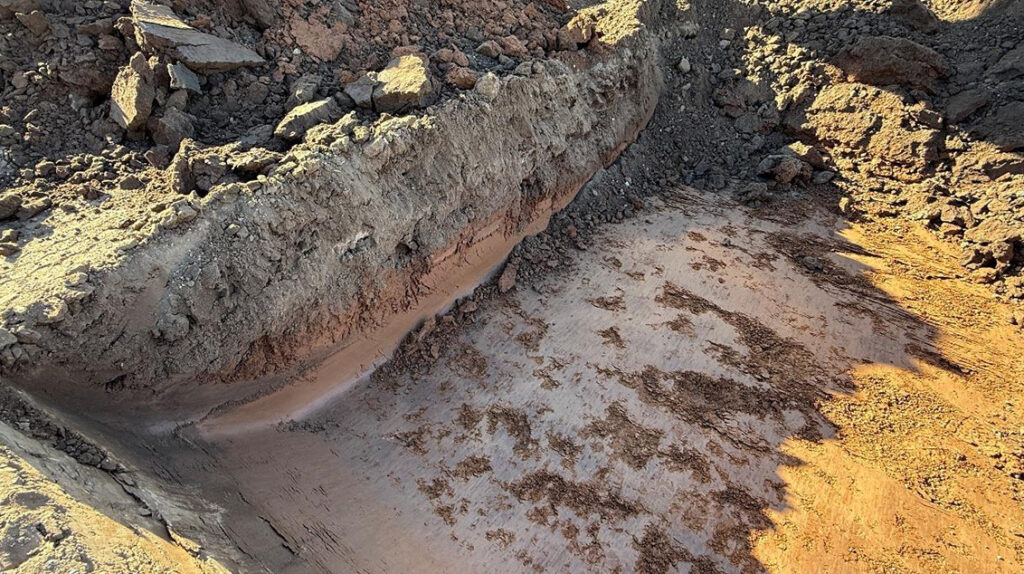
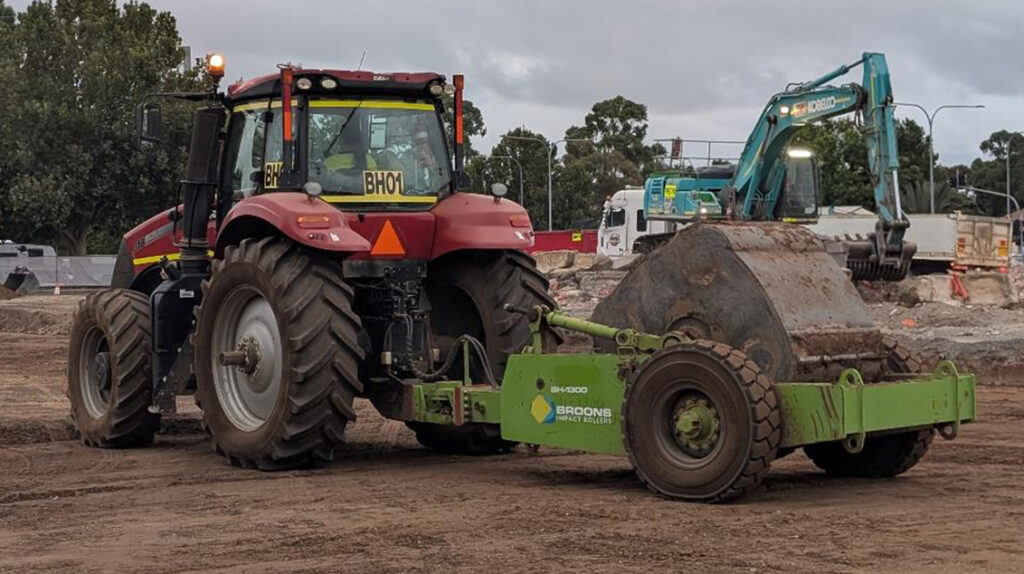
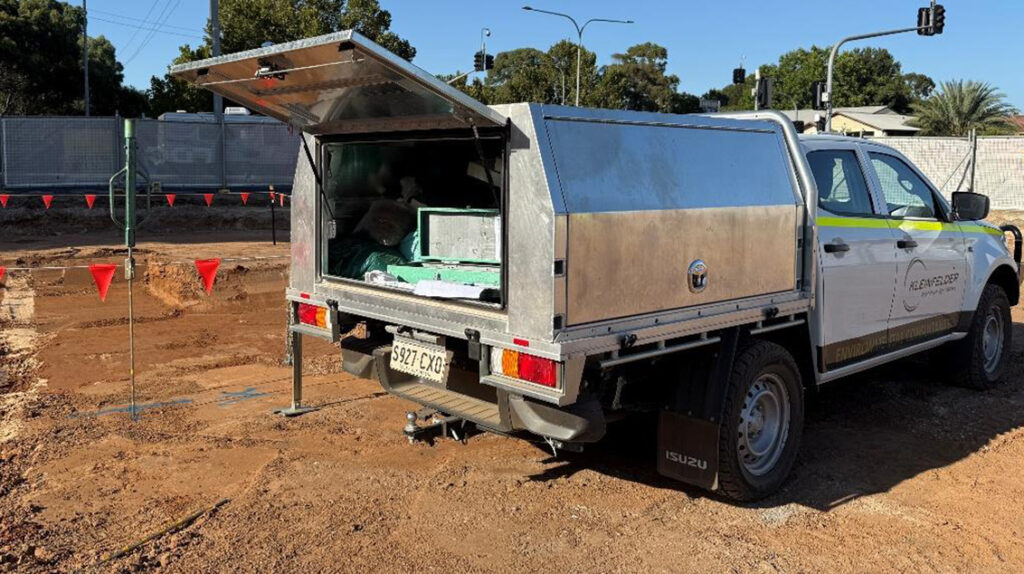
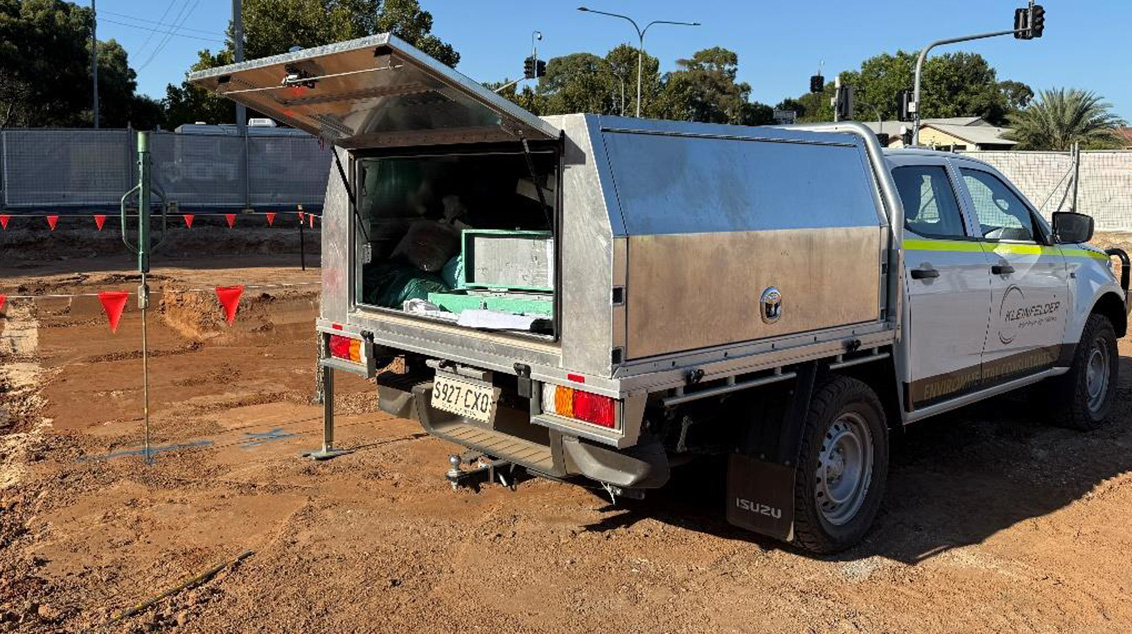
Following a previous investigation at the client’s site which found the existing condition of the site unfeasible due to compressible soil and the risk of differential settlement, Kleinfelder was engaged to provide additional geotechnical assessment of the effectiveness of impact rolling for the proposed development.
Confirming the Soil Conditions
Kleinfelder’s geotechnical engineers conducted and managed in-situ testing to assess the effectiveness of the impact rolling prior to proof rolling at identified soft or weak areas, finding only a slight improvement in soil consistency where we had cohesive and fine-grained material in shallower depth. To address the issue of localised soft or loose zones, further treatment involving soil excavation and replacement with engineered fill / stabilised sand was recommended.
Ground Improvement Measures
Ground improvement works included impact rolling to densify soils and proof rolling to identify weak areas. Settlement analyses were carried out to verify acceptable performance. Unsuitable materials were removed and replaced with engineered fill and stabilised sand. Bearing capacity was validated using deep cone penetrometer testing, confirming suitability for shallow footings.
Project Results
Kleinfelder successfully designed and validated a ground improvement solution for this problematic site, identifying the combination of replacing soft, unsuitable material with controlled fill and impact rolling to improve ground conditions sufficiently to support shallow foundations.
Kleinfelder’s approach involved the appropriate use of shallow footings instead of piling, which resulted in significant cost savings and a more efficient construction outcome.
Project Details
Location:
South Australia
Owner:
Confidential Client